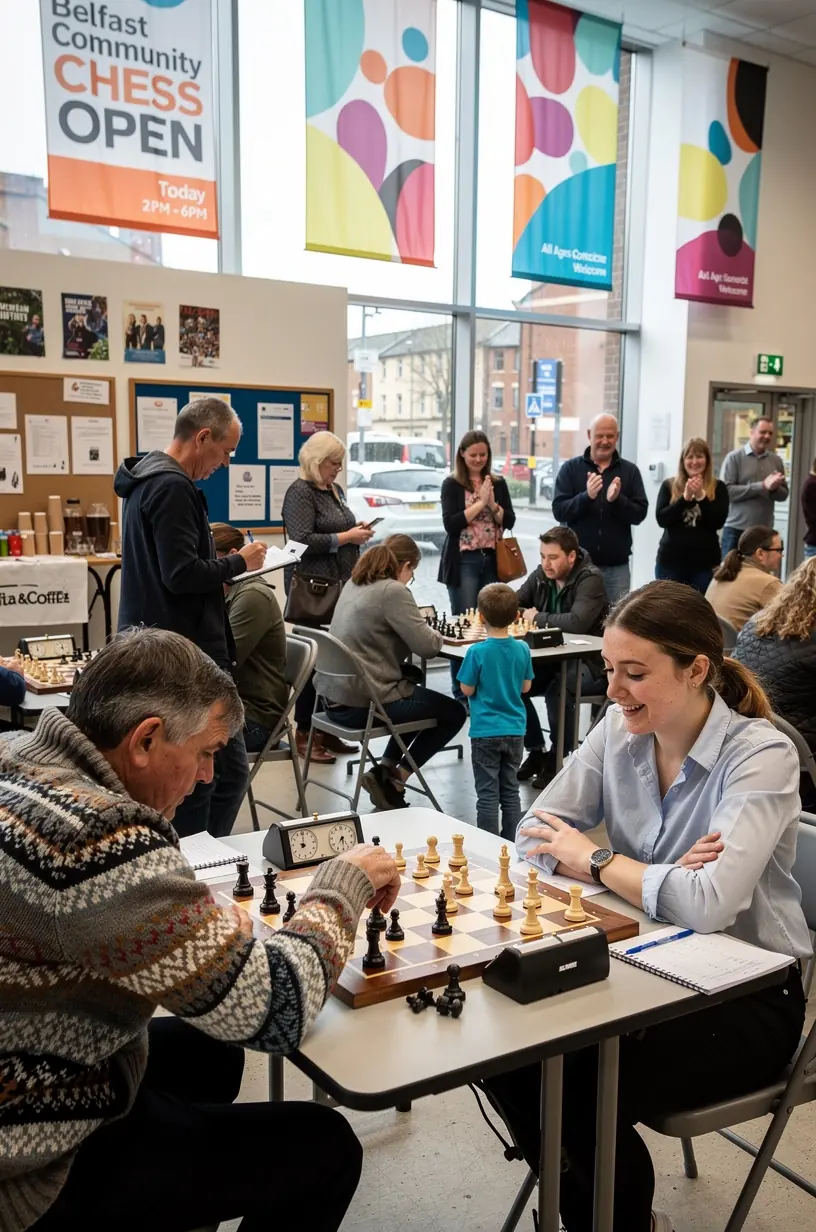
How to Organize a Community Chess Tournament
Organizing a community chess tournament can be a rewarding experience that brings players together and fosters a sense of camaraderie. However, it requires careful planning and execution. In this article, we will explore the essential steps needed to successfully host a chess tournament in your community.
Understanding the Basics
To effectively organize a chess tournament, it's important to understand the foundational elements involved. According to various chess organizations, tournaments typically consist of several key components, including venue selection, participant registration, and match scheduling. Each of these elements plays a critical role in ensuring a smooth event.
"A well-organized tournament can significantly enhance player engagement and community interaction." - Chess Organization Expert
Steps to Organize Your Tournament
- Choose a Venue: Selecting an appropriate venue is crucial. Look for spaces that can comfortably accommodate players and spectators. Community centers, libraries, or local schools often serve as excellent venues. Research shows that accessibility and comfort can enhance the overall experience for participants.
- Set a Date and Time: Finding a suitable date may require flexibility, as many players have prior commitments. Aim for a weekend or holiday, as these typically attract more participants. In most cases, allowing 4-6 weeks for planning and promotion is advisable.
- Registration Process: Implementing a clear registration process can streamline participation. Many organizers recommend using online platforms for registrations, as they simplify the process and reduce paperwork. Ensure the process is user-friendly and consider charging a small entry fee to cover costs.
- Match Format: Decide on the format of the tournament. Options range from Swiss-system tournaments to knockout formats. According to chess tournament standards, the Swiss format is often favored for its ability to accommodate varying skill levels while ensuring everyone plays multiple games.
- Gather Supplies: Prepare all necessary materials, such as chess boards, timers, and score sheets. Purchasing or borrowing quality equipment can enhance the tournament experience. Experts recommend having at least one set of extra equipment in case of unforeseen circumstances.
- Promote the Event: Effective promotion is key to attracting participants. Utilize social media platforms, local community boards, and chess clubs to spread the word. Many users report that targeted promotions can significantly increase attendance, so consider tailoring your message to different audience segments.
Executing the Tournament
On the day of the tournament, ensure everything is in place before participants arrive. Have volunteers or staff ready to assist with registration and set-up. Consider a brief introduction session to explain the rules and format to all players.
It's important to monitor matches closely and maintain a fair play environment. According to chess community guidelines, enforcing rules consistently helps build trust among participants.
Conclusion
Organizing a community chess tournament can be a fulfilling endeavor that promotes strategic thinking and social interaction. By following the steps outlined above and acknowledging the necessary time and effort involved, you can create an enjoyable experience for all participants. Remember, the goal is to foster a love for chess within your community, so prioritize engagement and inclusivity during your event.
Learn More