Understanding Local Event Planning Strategies
In the vibrant landscape of community engagement, local event planning serves as a crucial backbone for fostering connections. This article focuses on effective strategies to plan events that resonate with your community, particularly in Ireland, where local cultures and interests often govern participation.
Understanding the Basics of Event Planning
Effective event planning is not just about picking a date and venue; it's about strategically aligning your event with the interests and needs of your community. Studies show that events tailored to community preferences see up to a 40% higher attendance rate. This works because when people feel the event directly relates to their interests, they are more likely to engage.
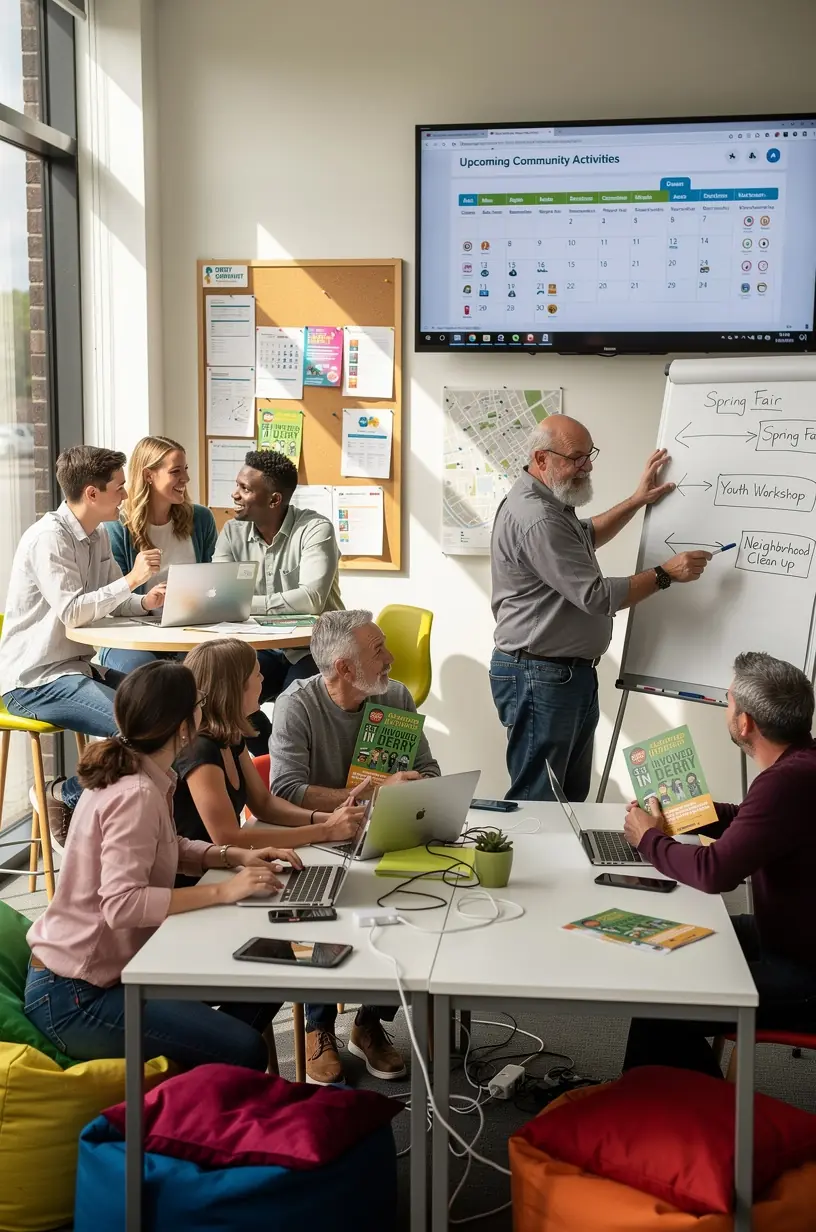
"According to research by the Event Marketing Institute, well-targeted events can significantly enhance community participation and satisfaction."
The Importance of Research and Feedback
Before diving into planning, it's essential to conduct thorough research. This can involve:
- Surveys and Polls: Many users report that gathering feedback via surveys can identify what activities potential attendees are interested in.
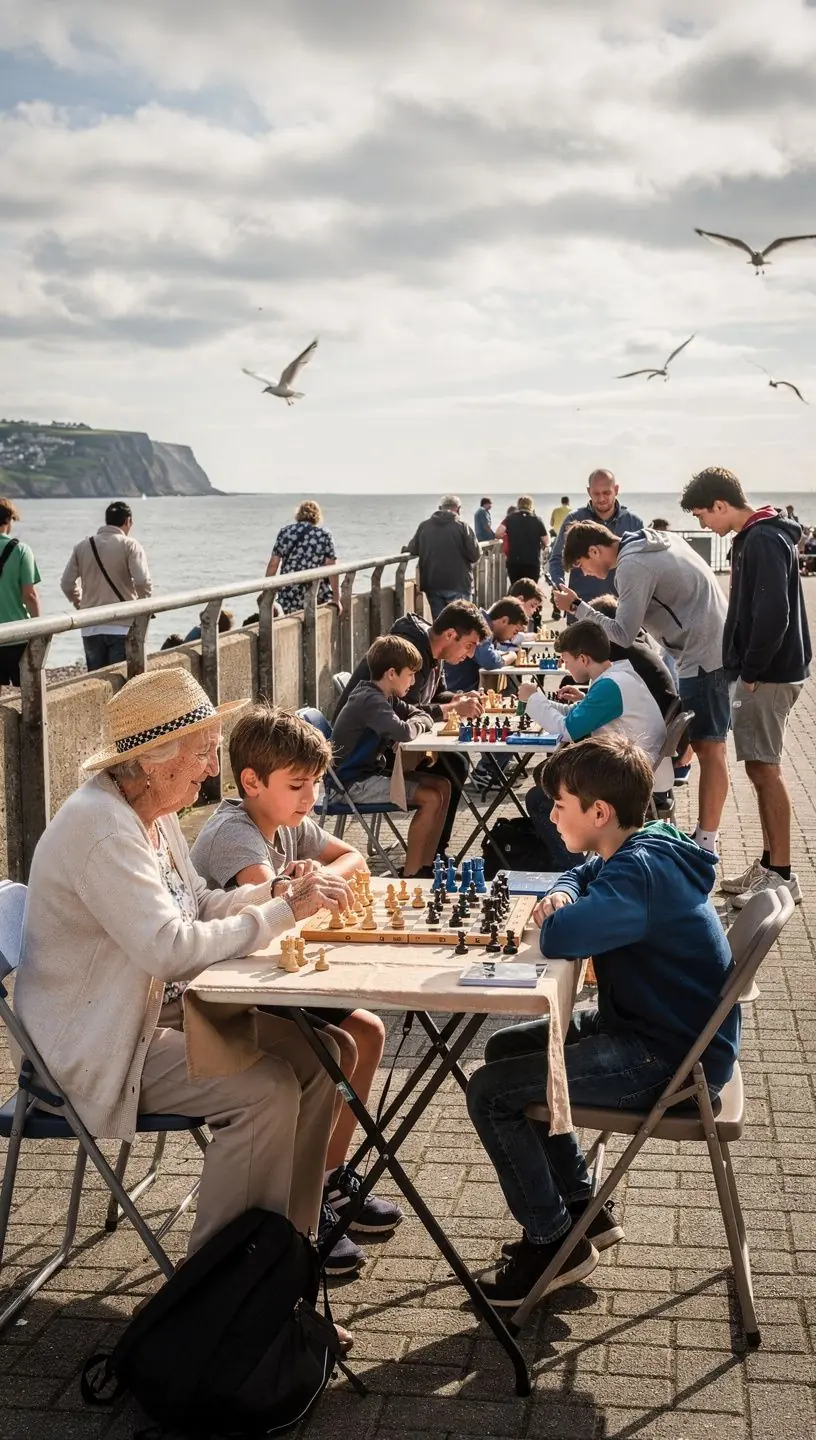
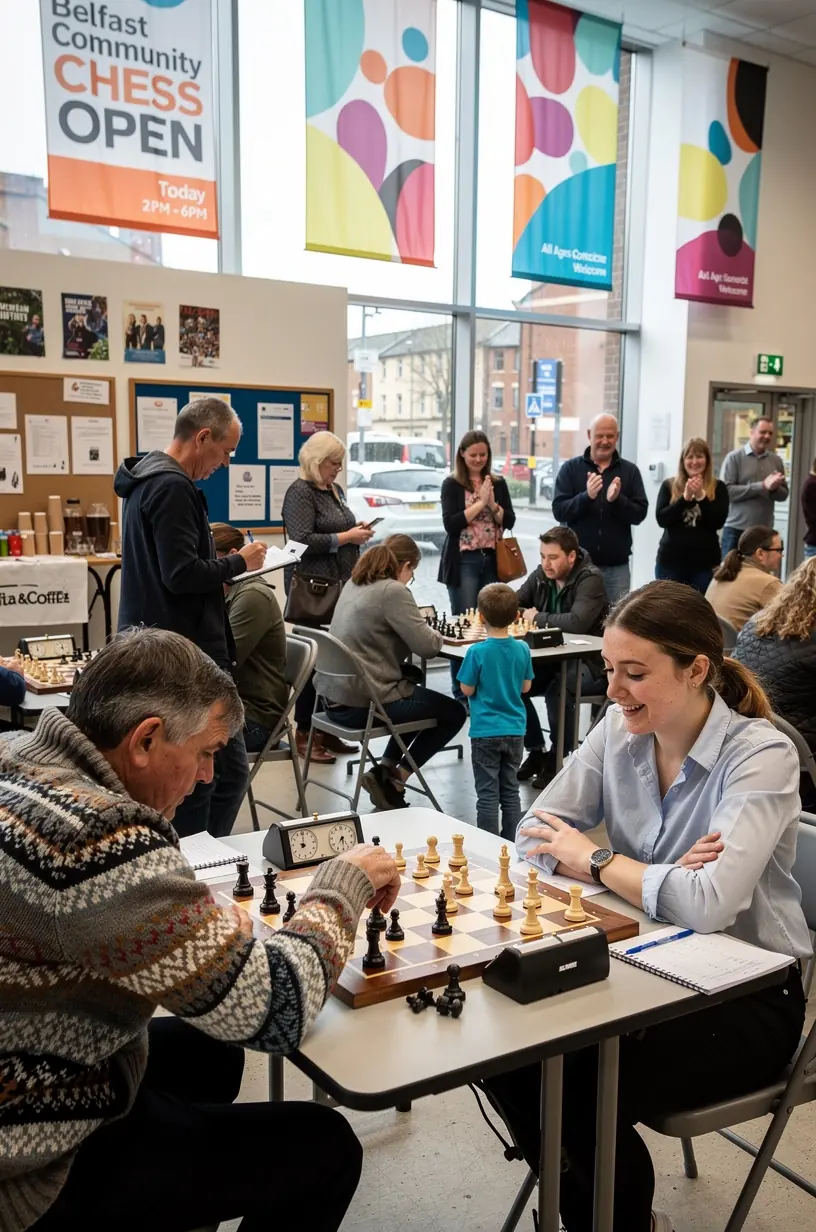
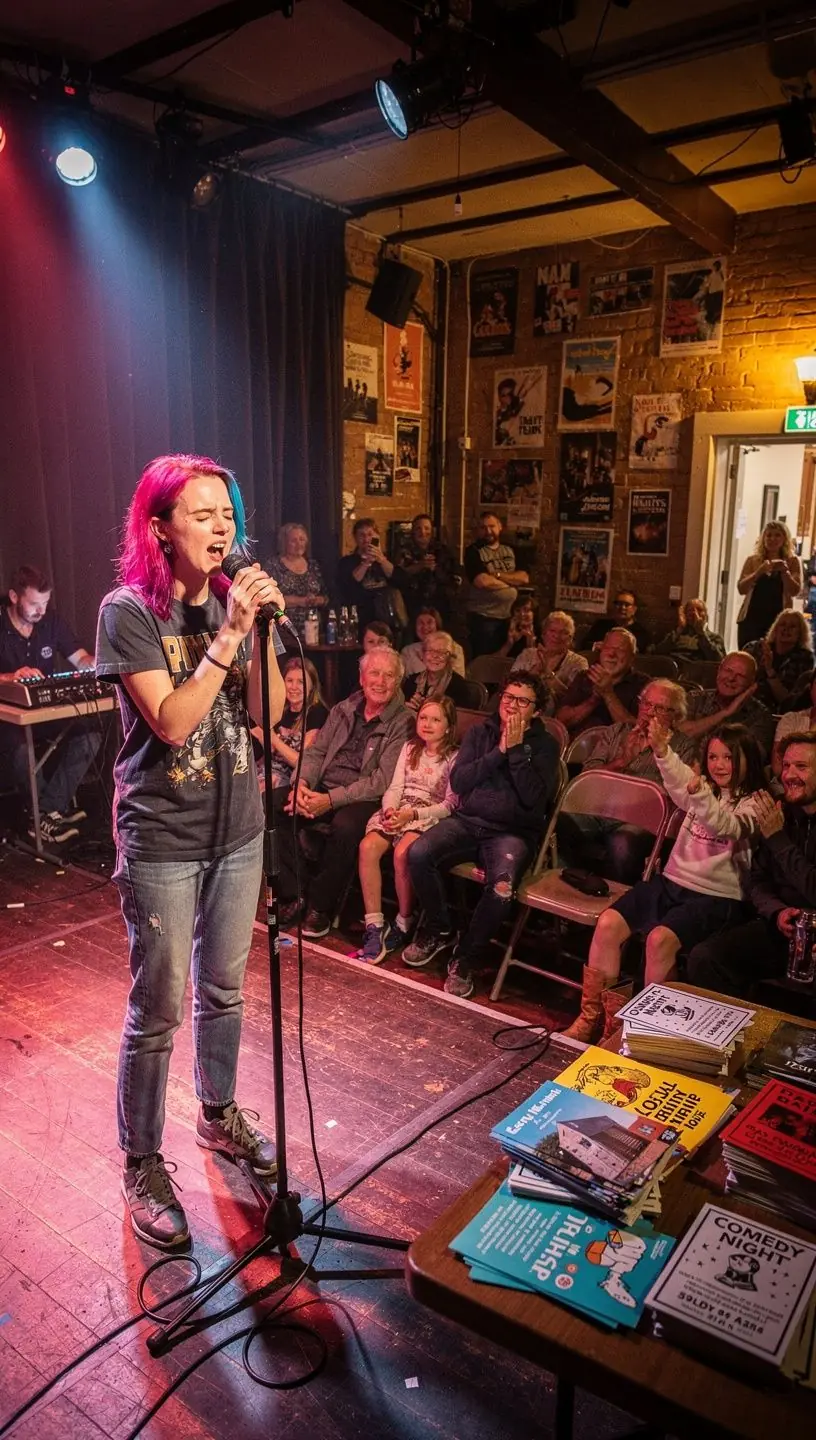
- Engaging Local Groups: Collaborating with local clubs such as chess or music enthusiasts can provide insights into popular themes and potential partnerships.
- An Online Presence: Utilizing platforms like Mulcrannoe to share preliminary ideas and gather input can be beneficial in shaping your event.
Practical Application of Event Planning Strategies
Once you've gathered information, it's time to outline your event with clear strategies. Here are some practical steps:
- Set Clear Objectives: Define what you hope to achieve with your event, whether it's building community spirit or promoting a local cause.
- Budgeting: Understanding financial constraints is vital. Research indicates that many successful events operate on a budget of approximately 10-15% of projected revenue.
- Marketing Effectively: Leverage social media channels and community bulletin platforms to promote your event. Experts recommend starting your promotion at least 4-6 weeks in advance to maximize awareness.
Acknowledging Limitations
While these strategies can guide your planning efforts, it’s also crucial to acknowledge potential limitations. Planning an event typically takes 2-4 weeks, depending on the complexity. Furthermore, engaging with the community requires continuous interaction and feedback, which may not yield immediate changes. Therefore, patience and flexibility are essential.
Conclusion
In summary, understanding local event planning strategies involves a blend of community engagement, thorough research, and practical execution. By focusing on the needs and preferences of your community, you can create events that not only draw participation but also foster lasting connections. Remember, while results may take time, the effort invested in planning thoughtfully can contribute significantly to your local culture and community spirit.