Understanding the Dynamics of Community Event Participation
Community events play a crucial role in fostering connections and building relationships among residents. Understanding the dynamics behind participation can enhance these experiences and encourage greater engagement.
The Importance of Community Engagement
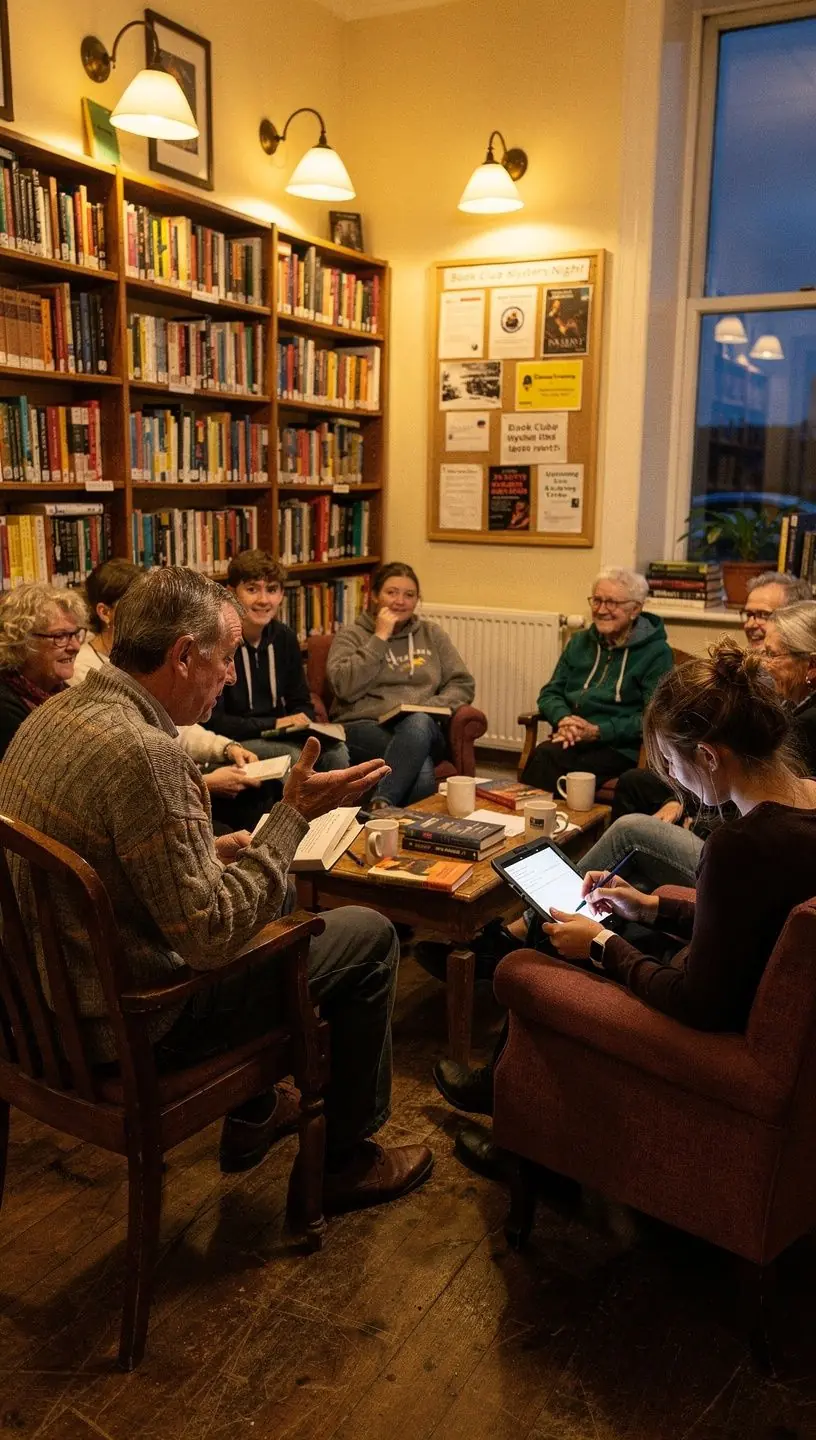
Community engagement is often considered essential for creating vibrant neighborhoods. According to studies, areas with active community participation tend to exhibit higher levels of social cohesion and support. This engagement can manifest in various forms, such as attending events, joining clubs, or participating in local initiatives.

"Communities that encourage participation in local events often see a more connected and resilient population." - Community Development Expert
Factors Influencing Participation
Several factors can influence an individual's decision to participate in community events. Understanding these can help organizers tailor their events to boost turnout:
- Accessibility: Events that are easy to reach and well-promoted tend to attract larger audiences. Research indicates that clear communication about event details can significantly impact attendance.
- Inclusivity: Creating an inclusive environment where everyone feels welcome is crucial. Experts recommend engaging diverse groups in planning to ensure all voices are heard.
- Relevance: Events that resonate with community interests are more likely to draw participants. Surveys and feedback can guide organizers in selecting themes that appeal to local residents.
The Role of Social Media and Digital Tools
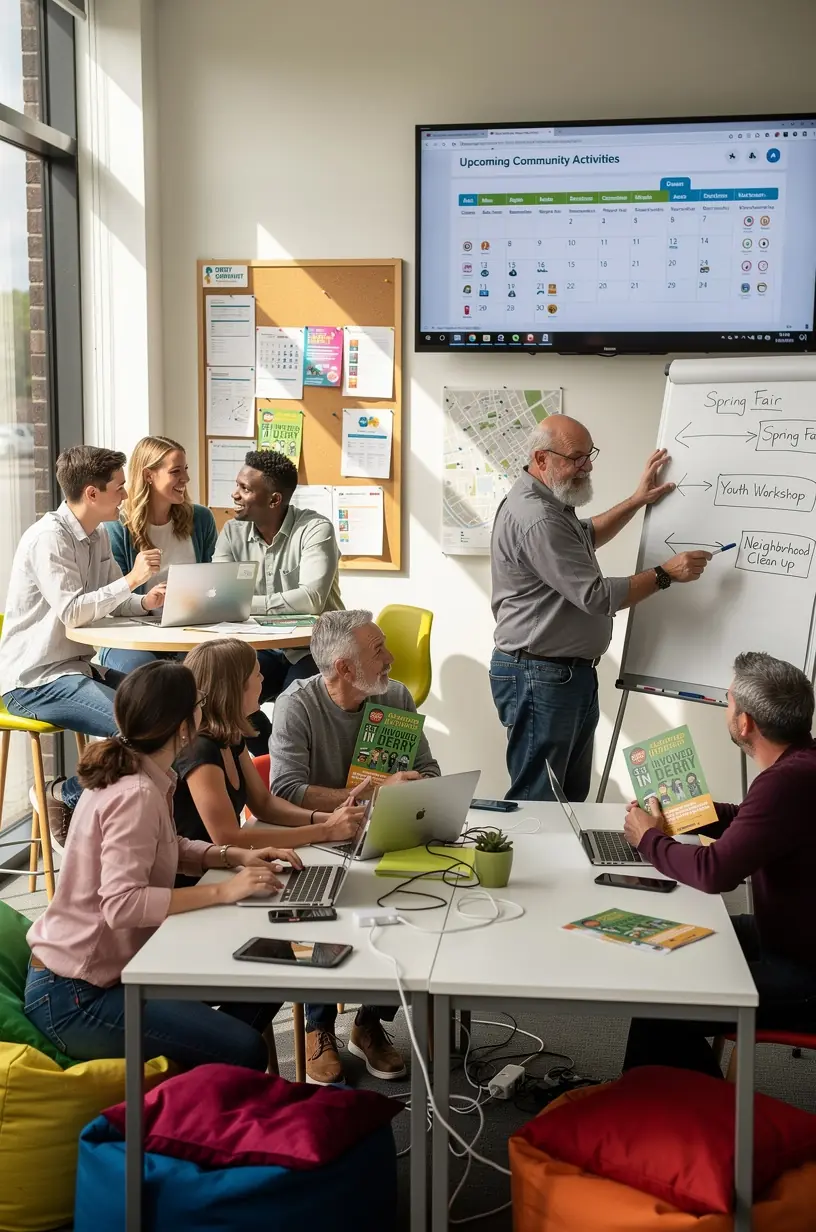
In today's digital age, social media platforms and community bulletin websites play a vital role in promoting events. Many users report that they often rely on these platforms for discovering local happenings and club gatherings. This trend highlights the importance of:
- Consistent Updates: Regularly updating event information on social media can keep the community informed and engaged.
- Visual Appeal: Eye-catching graphics and engaging content are more likely to attract attention and encourage shares among community members.
- Interactive Content: Encouraging interactions through polls or questions can facilitate discussions and increase interest in upcoming events.
Challenges and Limitations
While fostering community participation is important, it also comes with challenges. Organizers should be aware that:
- Participation often requires sustained effort over time. It typically takes several events for community members to feel comfortable attending regularly.
- Some individuals may not have the time or interest to engage actively. Acknowledging this can help manage expectations.
- Not every event will succeed in attracting a crowd, which can be disheartening. Learning from feedback and adjusting future events is crucial for growth.
Conclusion
Understanding the dynamics of community event participation can lead to more successful gatherings and stronger community bonds. By focusing on accessibility, inclusivity, and relevance, organizers can foster environments that encourage participation. Additionally, leveraging social media and acknowledging challenges can enhance community engagement strategies. Ultimately, the goal is to create a vibrant community where residents feel connected and involved.
Learn More